HONEY & JAMS
The History of Jam
Jam is one of the oldest methods of preserving fruit in the world. Thousands of years ago, long before refrigerators and modern food preservation techniques existed, people used honey and later sugar to keep seasonal fruits fresh for longer. Over time, this simple method evolved into the delicious preserve we know today as jam.
Jam vs. Marmalade
Jam is typically made from whole fruits or large pieces of fruit, preserving much of the fruit’s natural texture and shape. Marmalade, on the other hand, is traditionally made from citrus fruits such as oranges, lemons, or grapefruits, and usually contains pieces of citrus peel that give it a distinctive slightly bitter flavor.
The Origins of Jam
The earliest forms of jam can be traced back to the ancient civilizations of Egypt, Greece, and Rome. At that time, fruit was preserved in honey to extend its shelf life. Later, with the cultivation of sugarcane and the production of sugar, jam gradually evolved into the form we know today.
Many food historians believe that during the Sassanian Empire, Persia played an important role in the development of modern jam thanks to its cultivation of sugarcane and widespread use of sugar. From there, the technique spread to Europe through trade routes and later during the Crusades.
Jam in Europe
In the past, sugar was considered a luxury ingredient, making jam a delicacy mainly enjoyed by wealthy and noble families. As sugar became more affordable in later centuries, jam found its way onto breakfast tables across Europe. Today, countries such as France, the United Kingdom, and Portugal are well known for their long tradition of producing high-quality jams and marmalades.
The History of Jam in Iran
Thanks to its diverse climate and abundance of seasonal fruits, Iran has a long tradition of making a wide variety of jams. In earlier times, families preserved spring and summer fruits by cooking them with honey, grape syrup, or sugar, allowing them to enjoy their flavors throughout the year.
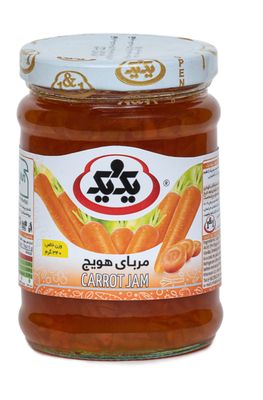
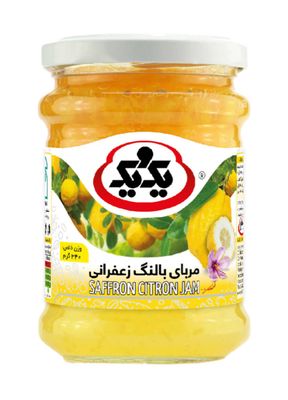
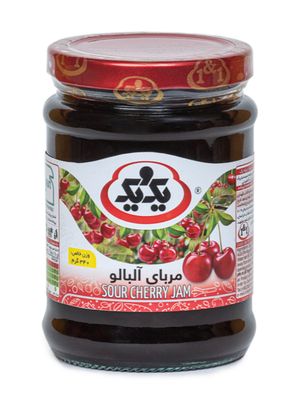
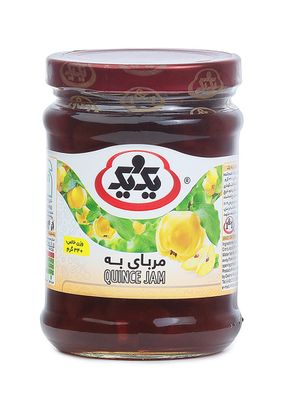
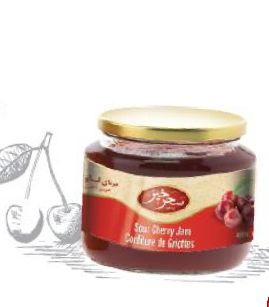
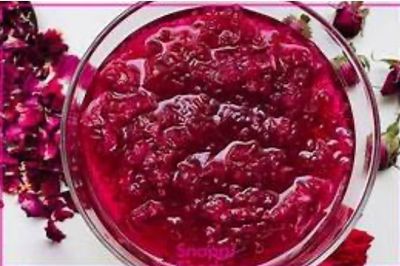
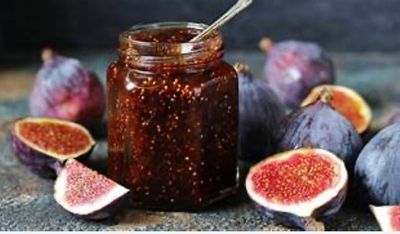
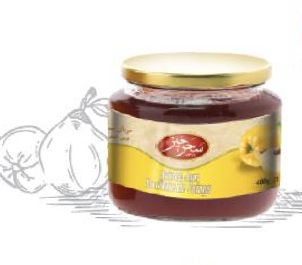
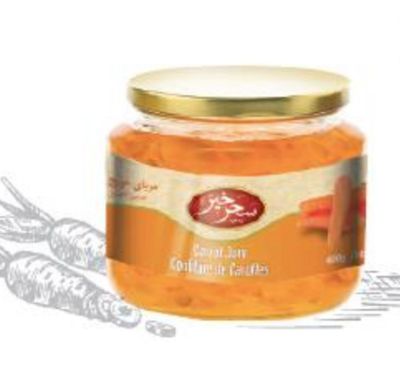
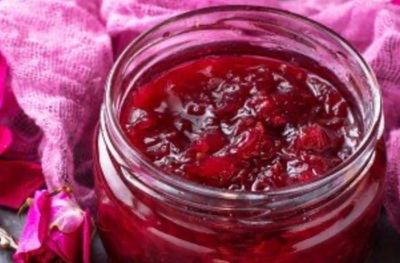
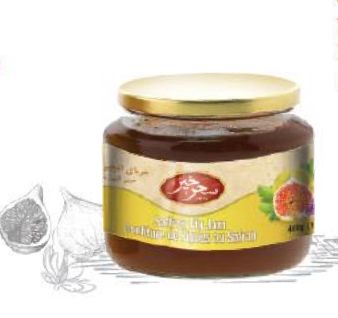
During the Safavid and Qajar periods, jam-making flourished and became an important part of Persian culinary culture. Traditional jams such as quince, sour cherry, Damask rose, citron, carrot, fig, and orange peel became household favorites.
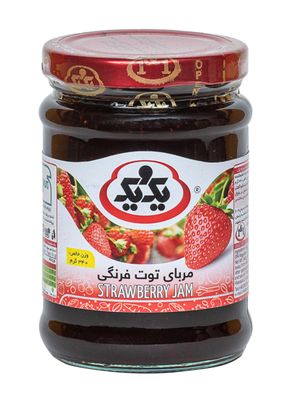
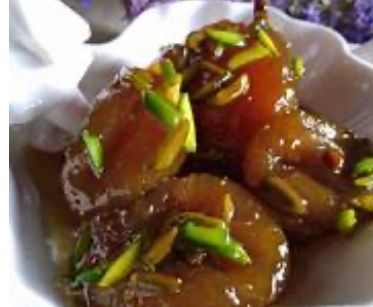
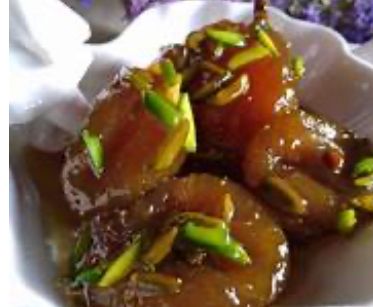
One of the defining characteristics of Persian jam is preserving the natural shape of the fruit. Unlike many European jams with a smooth spreadable consistency, Persian jams often feature whole or large fruit pieces suspended in a clear syrup, reflecting both quality and craftsmanship.
Jam: A Part of Persian Culture
For Iranians, jam is much more than a sweet spread. It represents family traditions, hospitality, and homemade cooking. A traditional breakfast of fresh bread, butter, cream, and homemade jam remains one of the most beloved meals in many households.
Making jam is also a cherished seasonal tradition. Many families prepare homemade jams whenever fresh fruit is in season, preserving the flavors and aromas of spring and summer for the months ahead.









Display prices in:EUR